Dead skin around the nails is one of those small things that can make a big difference. Ragged cuticles, dry flakes, and painful hangnails make even a beautiful manicure look unfinished. They can also be a sign that your hands need more attention. The good news is that healthy, neat cuticles are not difficult to achieve. They simply require the right technique, a little patience, and a consistent routine.
This guide explains what dead skin around the nails actually is, why you should not simply cut it away, how to care for it properly, and the daily habits that keep your cuticles soft and healthy.
Understanding Dead Skin and Cuticles
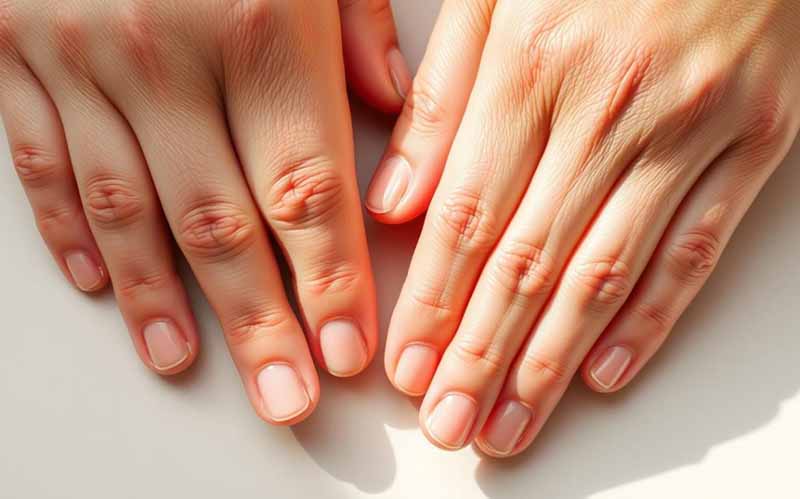
The skin around the base of the nail is often called the cuticle, but there are two different structures to understand. The cuticle is the thin, transparent layer of dead skin that sits directly on the nail plate. It forms a seal that prevents bacteria, moisture, and irritants from entering the nail matrix. The proximal nail fold is the living ridge of skin that surrounds the base of the nail. It is sometimes mistaken for the cuticle, but it is living tissue.
Dead skin around the nails is normal. The skin constantly renews itself, and dry or loose flakes can build up along the sides and base of the nail. This is especially common in winter, after frequent hand washing, or if you use harsh soaps and cleaning products. The goal is not to remove every trace of skin. The goal is to keep the area clean, soft, and free of painful hangnails without damaging the protective seal.
Why You Should Not Cut Living Cuticles
Many people reach for cuticle nippers and cut away every bit of skin around the nail. This is one of the most common mistakes in nail care. The cuticle and the proximal nail fold are protective barriers. Cutting living tissue can lead to infection, bleeding, and irregular nail growth. It can also cause the skin to grow back thicker and tougher.
The correct approach is to push back the cuticle gently, not cut it. Only loose, dead skin that is clearly detached should be trimmed. If you are unsure whether skin is dead or alive, do not cut it. A good rule is: if it bleeds, it was alive.
Tools You Need
You do not need many tools, but the ones you use should be clean and gentle.
- Cuticle oil. A nourishing oil with jojoba, almond, or vitamin E. This is the most important product.
- Cuticle pusher. A wooden orangewood stick or a rubber-tipped pusher. Metal pushers can be used carefully, but wood is gentler.
- Cuticle nippers. Sharp, small nippers for trimming only loose, dead skin. Dull nippers tear the skin.
- Nail brush. A soft brush for cleaning under the free edge and around the nail.
- Hand cream. A rich cream with shea butter, glycerin, or ceramides.
- Exfoliating scrub. A gentle hand scrub to remove dead skin cells from the hands and fingers.
- Lint-free wipes. For cleaning and drying.
- Disinfectant. For cleaning tools after use.
Avoid harsh chemical cuticle removers if you have sensitive skin. If you use one, follow the instructions carefully and do not leave it on longer than directed.
Step-by-Step Cuticle Care
A proper cuticle routine takes about ten minutes and can be done once a week, with daily oiling in between.
Step 1: Soak and soften. Fill a small bowl with warm water and soak your fingertips for three to five minutes. This softens the skin and makes it easier to work with. You can add a few drops of gentle soap or cuticle oil to the water.
Step 2: Clean the nails. Use a soft nail brush to gently clean under the free edge and around the nail. Do not dig into the sides with sharp tools. Rinse and pat dry.
Step 3: Push back gently. Using a wooden or rubber-tipped pusher, gently push the cuticle back from the nail plate. Work from the centre outward, using small, light strokes. The tool should glide. If it resists, soak longer. Do not force it.
Step 4: Trim only dead skin. Look for loose, white, flaky skin that is clearly detached. Use sharp nippers to snip it cleanly. Do not pull or tear. Do not cut into the living skin around the nail. If you have a hangnail, clip it at the base rather than pulling it.
Step 5: Exfoliate the hands. Apply a gentle hand scrub to your hands and fingers. Massage in circular motions for about thirty seconds. Rinse and pat dry. This removes dead skin cells and improves circulation.
Step 6: Hydrate. Apply cuticle oil to each nail and massage it into the cuticle and surrounding skin. Then apply a rich hand cream. Spend a minute massaging the cream into your hands. This step is essential. Hydrated cuticles are flexible and less likely to crack.
Step 7: Protect. If you are going outside in cold weather, wear gloves. If you are doing dishes or cleaning, wear rubber gloves. This protects the skin from drying and irritation.
Daily Habits for Healthy Cuticles
Consistency matters more than intensity. These small habits keep dead skin from building up and prevent painful hangnails.
Apply cuticle oil every day. This is the single most effective habit. Apply oil morning and night, and after every hand wash. Massage a drop into each nail and cuticle. Jojoba oil is ideal because it closely mimics the skin’s natural oils and absorbs quickly.
Use hand cream after every wash. Washing hands strips natural oils. Reapply cream while the skin is still slightly damp to lock in moisture.
Dry your hands thoroughly. Moisture trapped around the nails can cause fungal or bacterial problems. Dry carefully, especially between fingers.
Wear gloves for wet work. Dishwashing, cleaning, and gardening expose your hands to water and harsh chemicals. Rubber gloves are a simple, effective barrier.
Avoid picking and biting. Picking at cuticles or hangnails creates tears and open wounds. If you have a hangnail, clip it cleanly and apply ointment if it is sore.
Keep nails trimmed. Long nails can catch on things and cause trauma to the cuticle. Keep them at a manageable length.
Do not overuse acetone. Acetone is extremely drying. Use non-acetone remover for regular polish and limit acetone to gel removal.
Common Mistakes to Avoid
Cutting living cuticles. This is the most common and most damaging mistake. Push back, do not cut.
Using dull nippers. Dull blades tear the skin and leave ragged edges. Use sharp, clean nippers and replace them when they dull.
Over-exfoliating. Scrubbing too hard or too often irritates the skin. Once a week is enough for most people.
Skipping moisturizer. Dead skin builds up faster when the skin is dry. Oil and cream are not optional.
Picking at hangnails. This makes them worse and can lead to infection. Clip them cleanly.
Using harsh chemicals. Strong soaps, detergents, and sanitizers strip oils. Wear gloves and choose gentle hand washes.
Ignoring signs of infection. Redness, swelling, pain, or pus around the nail should be checked by a doctor. Do not cover an infected area with polish.
When to See a Professional
Most cuticle issues can be managed at home. But see a doctor or dermatologist if you notice persistent redness, swelling, warmth, pain, or pus around the nail. These can be signs of paronychia, a bacterial or fungal infection that may need medical treatment. If you have diabetes or poor circulation, take extra care with your feet and hands, and consult a professional before any aggressive cuticle work.
Final Thoughts
Caring for the dead skin around your nails is not about aggressive removal. It is about gentle maintenance. Soften, push back, trim only what is truly dead, exfoliate, and hydrate. Apply cuticle oil every day. Wear gloves for wet work. Avoid picking and cutting living tissue. With a little consistency, you can say goodbye to ragged cuticles and hello to smooth, healthy, beautiful hands.
Read also: Why Your Gel Manicure Lifts After 2–3 Days?