I used to believe gel polish was supposed to last two weeks no matter what. Then I had a manicure that started lifting at the cuticle after just three days. I blamed the polish. I blamed the lamp. I blamed my nails. The real problem was more basic: the gel never bonded properly in the first place.
A gel manicure that lifts after two or three days is not normal. It is a sign that something went wrong during preparation, application, or curing. The good news is that most causes are preventable. Here is what you need to know.
Why Does Gel Lift So Quickly?
Gel polish is designed to bond to a clean, dry, slightly textured nail plate. If anything sits between the gel and the nail—oil, moisture, dust, or dead cuticle tissue—the bond is weak from the start. Add daily movement, water exposure, and natural nail flexing, and the gel begins to peel away from the edges.
The most common reasons for early lifting include:
Poor preparation. This is the number one cause. Natural oils, hand cream residue, invisible cuticle tissue, and filing dust all create a barrier. If the nail plate is not properly buffed, dehydrated, and cleansed, gel will lift within days.
Product touching the skin. Gel that touches the cuticle or sidewalls will lift first. The skin moves and produces oils, and the gel cannot bond to it. Once the edge lifts, water and air get underneath, and the whole nail begins to peel.
Applying gel too thickly. Thick layers do not cure evenly. The top may feel hard while the bottom remains soft. Thick gel also shrinks slightly as it cures, pulling away from the edges.
Under-curing or using the wrong lamp. Gel needs the correct wavelength and enough power to cure completely. A weak lamp, an incompatible lamp, or old bulbs can leave the gel soft underneath. Soft gel lifts quickly.
Skipping the free edge. If you do not cap the tip of the nail with every layer, water can seep underneath. Lifting often starts at the tip and travels backward.
Using an incompatible base coat. Not all base coats work with all gel systems. Mixing brands or using a base coat that does not bond well to your nail type can cause early failure.
Water exposure and aftercare. Soaking your hands, washing dishes without gloves, or long showers in the first 24 hours can weaken the bond. Water causes the nail plate to swell and shrink, which stresses the gel.
Naturally oily nail beds. Some people produce more oil on the nail plate. These nails need extra dehydration and a sticky or rubberised base coat for better grip.
Old or expired products. Gel polish and base coats have a shelf life. If they are thick, separated, or stringy, they will not perform properly.
Tips to Make Your Gel Manicure Last Longer
The difference between a three-day manicure and a three-week manicure usually comes down to technique and habits.
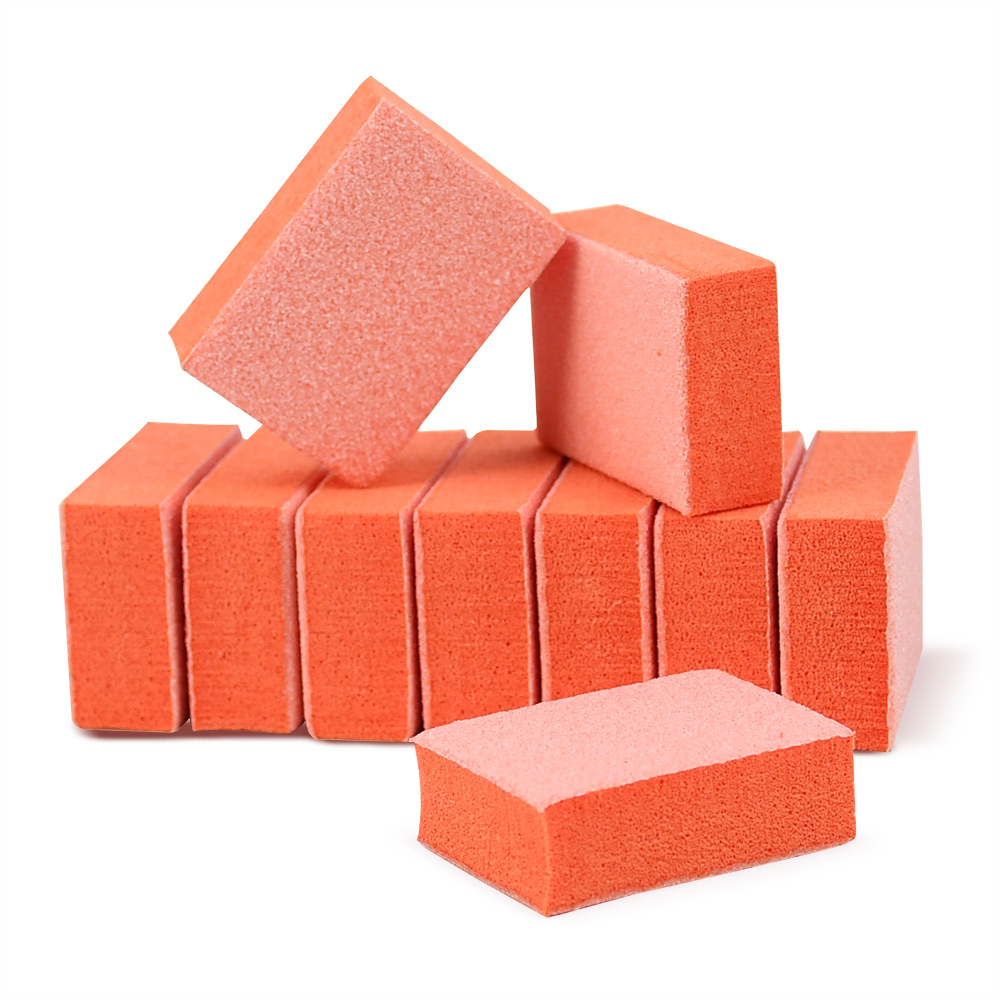
Prep thoroughly. Remove old polish, shape the nails, push back cuticles, and lightly buff the surface with buffer blocks. Remove all dust. Wipe each nail with a dehydrator or 91% isopropyl alcohol. Do not touch the nails after this step.
Keep gel off the skin. Leave a tiny gap around the cuticle and sidewalls. If gel touches skin, clean it up before curing. Use a small brush dipped in alcohol for precision.
Apply thin layers. Two or three thin coats are always better than one thick coat. Thin layers cure evenly and bond better.
Cap the free edge. Run the brush along the nail tip with every layer—base coat, colour, and top coat. This seals the edge and prevents water from entering.
Cure fully. Follow the manufacturer’s recommended cure time. Make sure your lamp is compatible with your gel brand. Replace bulbs or lamps when they weaken.
Use the right base coat. For oily nails, choose a sticky or rubberised base coat. For weak nails, choose a strengthening base coat. For normal nails, a standard gel base coat is fine.
Protect your hands. Wear gloves for dishwashing, cleaning, and gardening. Avoid prolonged water exposure, especially in the first hour after your manicure.
-1024x1024.jpg)
Do not use your nails as tools. Opening cans, peeling stickers, and scraping with your nails cause stress that leads to lifting and chipping.
Apply cuticle oil daily. Hydrated cuticles stay flexible and do not pull away from the gel. Oil also helps prevent the skin from becoming dry and flaky.
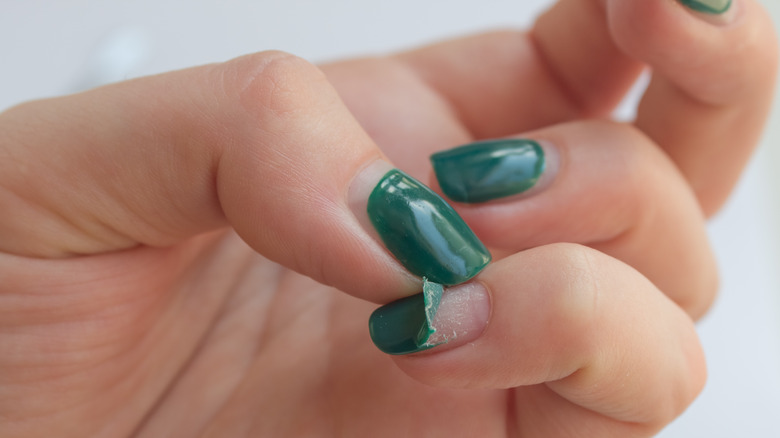
Do not pick or peel. If you see a lifted edge, do not pull it. Peeling strips layers off your natural nail. Instead, file the lifted edge smooth and apply a thin layer of top coat to seal it, or visit your technician for a repair.
Is Lifting at the Cuticle Normal?
No. Lifting at the cuticle within two or three days is not normal. It is almost always a sign of application error. The most common culprits are gel touching the skin, incomplete cuticle removal, or poor dehydration.
After one to two weeks, you may see a small gap at the cuticle. That is not lifting—it is natural nail growth. The gel has not moved; your nail has grown out. This is normal and expected. A professional fill can correct it.
Lifting at the free edge after two weeks can also be normal, especially if you are hard on your hands. But lifting at the cuticle within days is a red flag. It means the bond failed at the most important point.
When to See a Professional
If your gel lifts after two or three days repeatedly, even after following proper prep, see a nail technician. They can assess your nail type, check your lamp, and recommend a different base coat or gel system. In some cases, a builder gel overlay is needed to add strength and prevent flexing. If you notice redness, swelling, pain, or discoloration, see a doctor. These can be signs of infection or allergic reaction.
The Bottom Line
Gel polish that lifts after two or three days is frustrating, but it is almost always preventable. The key is preparation, thin layers, full curing, and keeping gel off the skin. Cap the free edge, protect your hands, and never peel lifting gel. With the right technique, your gel manicure can last two to three weeks—not two to three days. Your nails will thank you.
Read also: The Complete Guide to Men’s Manicure